988368
Thu, Nov 5, 2026

Volume 24, Issue 3 (September 2026)
Iranian Rehabilitation Journal 2026, 24(3): 259-272 |
Back to browse issues page




Download citation:
BibTeX | RIS | EndNote | Medlars | ProCite | Reference Manager | RefWorks
Send citation to:


BibTeX | RIS | EndNote | Medlars | ProCite | Reference Manager | RefWorks
Send citation to:
Sheikhhoseini R, Khosravi M, Samaei P, Ebrahimi E. The Effect of NASM-based Corrective Exercise Interventions on Musculoskeletal Pain Syndromes: A Systematic Review and Meta-analysis. Iranian Rehabilitation Journal 2026; 24 (3) :259-272
URL: http://irj.uswr.ac.ir/article-1-2794-en.html
URL: http://irj.uswr.ac.ir/article-1-2794-en.html

1- Department of Sport Injuries and Corrective Exercises, Faculty of Physical Education and Sport Science, Allameh Tabataba’i University, Tehran, Iran.
2- Department of Sport Injuries and Biomechanics, Faculty of Sport Sciences and Health, University of Tehran, Tehran, Iran.
3- Department of Sport Injuries and Biomechanics, Faculty of Sport Sciences and Health, University of Tehran, Tehran, Iran
2- Department of Sport Injuries and Biomechanics, Faculty of Sport Sciences and Health, University of Tehran, Tehran, Iran.
3- Department of Sport Injuries and Biomechanics, Faculty of Sport Sciences and Health, University of Tehran, Tehran, Iran
Full-Text [PDF 991 kb]
(207 Downloads)
| Abstract (HTML) (1115 Views)
Full-Text: (93 Views)
Introduction
Musculoskeletal pain syndromes (MSPS) are among the leading causes of disability worldwide [1], imposing substantial clinical, social, and economic burdens across diverse populations [2]. Conditions such as chronic neck pain, low back pain, shoulder pain, patellofemoral pain syndrome, and other overuse-related disorders account for a considerable proportion of healthcare utilization, productivity loss, and diminished quality of life [3, 4]. A growing body of evidence suggests that many MSPS are associated with dysfunctional movement patterns, altered neuromuscular control, muscle imbalances, reduced joint mobility, and impaired postural stability [5, 6]. Despite advances in pharmacological and surgical management, conservative interventions remain the cornerstone of treatment for most musculoskeletal pain conditions because of their favorable safety profile and capacity to address modifiable biomechanical and functional impairments [7, 8]. Among these interventions, exercise therapy has consistently shown benefits for pain [9], function [10], and health-related quality of life [11]. However, considerable variability exists in the type, intensity, and effectiveness of different exercise approaches.
Corrective exercise is one such strategy, and several frameworks have been proposed to guide its implementation [12]. Among these, the model developed by the National Academy of Sports Medicine (NASM) organizes rehabilitation into a four-phase continuum: Inhibit, lengthen, activate, and integrate, to rebalance overactive and underactive muscle groups around a joint [13]. Over the past decade, research on NASM-based corrective exercise has progressively expanded beyond its original focus. Trials have evaluated the model in upper crossed syndrome [14, 15], forward head posture [16, 17], hyperlordosis [18], lower crossed syndrome [19], chronic low back pain [20, 21], and knee osteoarthritis [22], across populations as varied as office employees, university students, military personnel, and elite athletes. Moreover, protocols range from conventional land-based corrective exercise to online-supervised programs [21], aquatic NASM training [22], and modified approaches that integrate taekwondo-based movements [18], with treatment duration and comparator interventions varying considerably across studies. In contrast, NASM-based training outperformed conventional exercise in one trial [14], produced outcomes comparable to alternative rehabilitation approaches in others [17, 20], and was outperformed by an alternative active intervention on all primary outcomes in at least one recent trial [21]. However, existing evidence syntheses have focused almost exclusively on UCS [23], concluding that corrective exercise appears beneficial but that the available evidence remains methodologically heterogeneous and insufficient to support broader conclusions [24, 25].
What emerges is a body of trials that spans multiple MSPS, employs substantially different protocols, comparators, and outcome measures, and does not consistently favor NASM-based corrective exercise. Therefore, it remains unclear whether the benefits reported in individual trials reflect a reproducible effect of the NASM model itself or simply the broader effectiveness of exercise-based rehabilitation. Existing systematic reviews have not resolved this, since each is restricted either to a single condition, primarily UCS, or to exercise therapy in general, without evaluating NASM as a distinct framework [25-27]. Therefore, a quantitative synthesis across the full spectrum of MSPS is needed to determine whether the effectiveness of NASM-based corrective exercise holds consistently across conditions, populations, protocols, and comparators, and to arrive at a more precise estimate of its overall treatment effect. Accordingly, the present systematic review and meta-analysis aimed to evaluate the effects of interventions incorporating the NASM corrective exercise continuum on pain intensity in individuals with MSPS. The primary outcome of interest was pain intensity, selected because pain is a central and clinically relevant patient-reported outcome across the heterogeneous range of MSPS investigated in the included trials.
Materials and Methods
The conduct and reporting of this systematic review and meta-analysis adhered to the preferred reporting items for systematic reviews and meta-analyses (PRISMA) statement [28]. Prior to data collection, the study protocol was submitted and recorded in PROSPERO, the International Prospective Register of Systematic Reviews, with the assigned identifier CRD420261439458.
Search strategy and keywords
A comprehensive literature search was performed in Scopus, Web of Science, and PubMed, covering the period from each database’s earliest available records through June 30, 2026, to locate eligible studies. Additional records were identified through a supplementary Google Scholar search. To capture any further relevant literature not retrieved through the initial search, two independent reviewers (Ebrahim Ebrahimi and Mojtaba Khosravi) manually examined the reference lists of included articles, with input sought from a subject-matter expert (Rahman Sheikhhoseini) where needed. Search terms were combined using the Boolean operators AND and OR, as detailed below: ([“National Academy of Sports Medicine” OR NASM] AND [“musculoskeletal pain” OR “musculoskeletal disorder*” OR pain OR myalgia OR arthralgia OR “myofascial pain” OR “myofascial pain syndrome*” OR “chronic pain” OR “persistent pain” OR “nociceptive pain” OR “nociplastic pain” OR fibromyalgia OR arthritis OR osteoarthritis OR “hip osteoarthritis” OR “knee osteoarthritis” OR “spine osteoarthritis” OR “back pain” OR backache OR backpain OR “low back pain” OR lumbago OR lumbalgia OR “lumbar pain” OR “lumbar syndrome” OR “lumbar spine syndrome” OR “pelvic girdle pain” OR “sacroiliac pain” OR “neck pain” OR neckache OR neckpain OR cervicalgia OR cervicobrachialgia OR “shoulder pain” OR omalgia OR “rotator cuff” OR “rotator cuff disease” OR “rotator cuff tendinopathy” OR “shoulder impingement” OR “subacromial pain syndrome” OR “shoulder-arm syndrome” OR “knee pain” OR gonalgia OR patellalgia OR “patellofemoral pain” OR “patellofemoral pain syndrome” OR “hip pain” OR coxalgia OR “foot pain” OR footache OR “ankle pain” OR plantar fasciitis OR “heel pain” OR metatarsalgia OR podalgia OR “leg pain” OR “arm pain” OR “elbow pain” OR epicondylalgia OR tendinopathy OR tendinitis OR tendinosis OR “muscle pain” OR “muscle ache” OR “muscular pain” OR “musculoskeletal chest pain” OR whiplash OR “whiplash injury” OR “whiplash injuries” OR “thoracic pain” OR thoracalgia OR “pelvic pain” OR “gluteal pain” OR “buttock pain”]).
Inclusion and exclusion criteria
The eligibility criteria were established according to the population, intervention, comparison, outcomes, and study design framework [29]. Eligible studies included individuals of any age or sex with MSPS. The intervention was required to incorporate the NASM corrective exercise continuum as a substantive component of the exercise or rehabilitation program, whether delivered as a stand-alone intervention or in combination with additional exercise or therapeutic components. Comparator groups included no intervention, usual care, sham intervention, conventional therapy, or alternative exercise and rehabilitation programs that did not incorporate the NASM model. Eligible studies were required to report quantitative outcomes related to pain. RCTs and quasi-experimental studies were considered eligible. Moreover, postural deviations or alignment characteristics were not considered eligible conditions and were not used as an independent basis for study inclusion. Studies were excluded if they did not incorporate the NASM corrective exercise continuum as a substantive component of the intervention; enrolled participants without MSPS; evaluated surgical, pharmacological, orthotic, or other non-exercise interventions without a distinct NASM component; lacked an appropriate comparison group or sufficient quantitative data for effect-size estimation; or were systematic reviews, meta-analyses, conference abstracts, editorials, commentaries, letters, case reports, study protocols, dissertations, book chapters, or articles published in non-peer-reviewed journals or languages other than English.
Study selection
Titles and abstracts of all identified records were independently assessed for eligibility by two reviewers (Parsa Samaei and Ebrahim Ebrahimi), applying the predefined inclusion criteria alongside PRISMA recommendations; a standardized Microsoft Excel form was used to extract relevant data [30]. Eligibility was restricted to human studies published by June 30, 2026. Where the two reviewers’ assessments diverged, a third reviewer (Rahman Sheikhhoseini) was consulted to reach consensus. Prior to screening, all citations retrieved from the search were imported into EndNote 20 (Clarivate Analytics) to detect and eliminate duplicate entries.
Data extraction and quality assessment
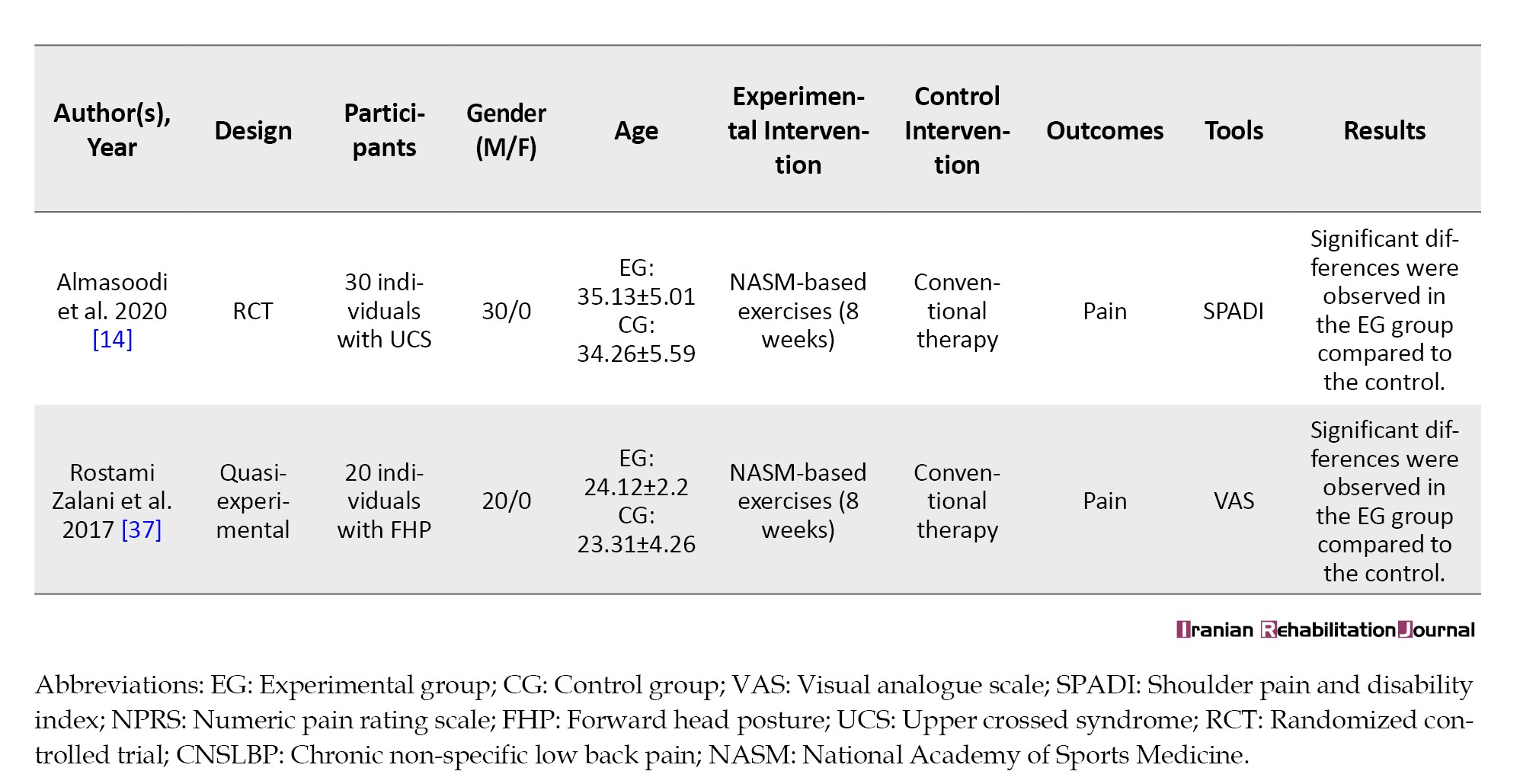
Two independent researchers (Parsa Samaei and Ebrahim Ebrahimi) conducted the methodological quality and risk-of-bias assessment using the Joanna Briggs Institute (JBI) Critical Appraisal Tools [31]. The specific appraisal checklist was selected according to the research design of each included study, including quasi-experimental and randomized controlled trial (RCT) designs [32]. For quasi-experimental studies, a score of 6 or lower was considered indicative of low methodological quality, whereas for RCTs, studies scoring 9 or lower were classified as low quality [33]. The two reviewers first discussed any disagreements to reach consensus, and the supervising author (Rahman Sheikhhoseini) adjudicated unresolved discrepancies. The same two reviewers independently extracted data using a standardized Microsoft Excel sheet developed for this review. The extracted information included the first author’s name and year of publication, study design, participant characteristics, measurement outcomes, assessment methods, data collection instruments, and main findings. Following independent extraction, both reviewers compared their datasets to ensure consistency and accuracy. Any inconsistencies were resolved through discussion and, when necessary, consultation with the supervising author. The extracted data were subsequently organized and summarized in Table 1 for further analysis and synthesis.
Data analysis
For each eligible study, the data required for quantitative synthesis, including sample size, means, standard deviations, P, and, where applicable, mean differences and their corresponding standard deviations, were extracted. Meta-analyses were performed using Comprehensive Meta-Analysis software, version 4; Biostat, Englewood, NJ, USA). Pooled effect sizes were calculated as standardized mean differences (SMDs) with 95% confidence intervals (CIs) using a random-effects model to account for anticipated between-study heterogeneity. Statistical heterogeneity was assessed using Cochran’s Q test (P<0.05 indicating significant heterogeneity) and quantified with the I² statistic, where values of 25%, 50%, and 75% represented low, moderate, and high heterogeneity, respectively [32]. Publication bias was evaluated using Egger’s regression test, with P<0.05 considered indicative of significant small-study effects [34], and was visually inspected using funnel plots. Statistical significance for all pooled analyses was set at P<0.05.
Results
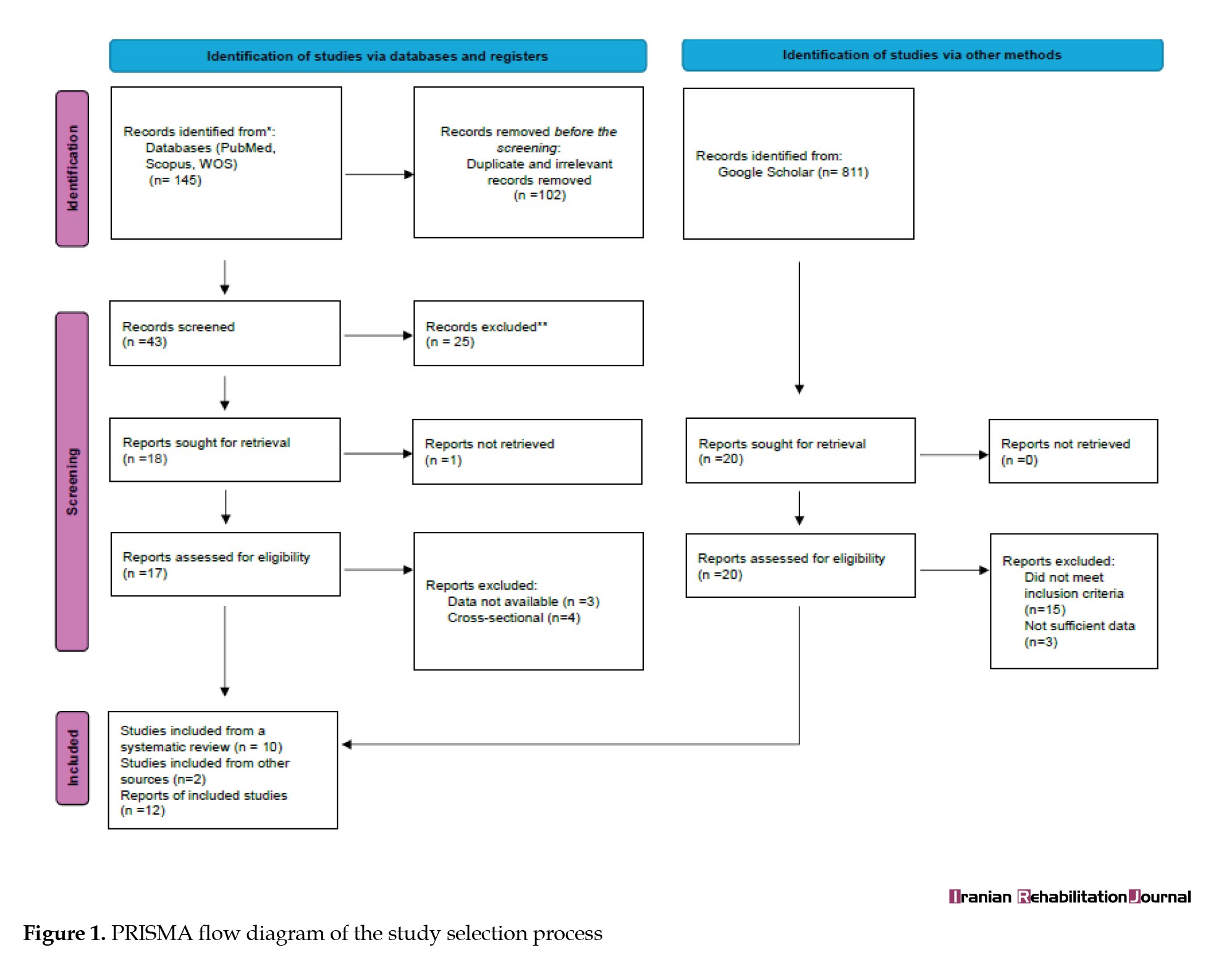
The database search yielded 145 records (Figure 1).
Musculoskeletal pain syndromes (MSPS) are among the leading causes of disability worldwide [1], imposing substantial clinical, social, and economic burdens across diverse populations [2]. Conditions such as chronic neck pain, low back pain, shoulder pain, patellofemoral pain syndrome, and other overuse-related disorders account for a considerable proportion of healthcare utilization, productivity loss, and diminished quality of life [3, 4]. A growing body of evidence suggests that many MSPS are associated with dysfunctional movement patterns, altered neuromuscular control, muscle imbalances, reduced joint mobility, and impaired postural stability [5, 6]. Despite advances in pharmacological and surgical management, conservative interventions remain the cornerstone of treatment for most musculoskeletal pain conditions because of their favorable safety profile and capacity to address modifiable biomechanical and functional impairments [7, 8]. Among these interventions, exercise therapy has consistently shown benefits for pain [9], function [10], and health-related quality of life [11]. However, considerable variability exists in the type, intensity, and effectiveness of different exercise approaches.
Corrective exercise is one such strategy, and several frameworks have been proposed to guide its implementation [12]. Among these, the model developed by the National Academy of Sports Medicine (NASM) organizes rehabilitation into a four-phase continuum: Inhibit, lengthen, activate, and integrate, to rebalance overactive and underactive muscle groups around a joint [13]. Over the past decade, research on NASM-based corrective exercise has progressively expanded beyond its original focus. Trials have evaluated the model in upper crossed syndrome [14, 15], forward head posture [16, 17], hyperlordosis [18], lower crossed syndrome [19], chronic low back pain [20, 21], and knee osteoarthritis [22], across populations as varied as office employees, university students, military personnel, and elite athletes. Moreover, protocols range from conventional land-based corrective exercise to online-supervised programs [21], aquatic NASM training [22], and modified approaches that integrate taekwondo-based movements [18], with treatment duration and comparator interventions varying considerably across studies. In contrast, NASM-based training outperformed conventional exercise in one trial [14], produced outcomes comparable to alternative rehabilitation approaches in others [17, 20], and was outperformed by an alternative active intervention on all primary outcomes in at least one recent trial [21]. However, existing evidence syntheses have focused almost exclusively on UCS [23], concluding that corrective exercise appears beneficial but that the available evidence remains methodologically heterogeneous and insufficient to support broader conclusions [24, 25].
What emerges is a body of trials that spans multiple MSPS, employs substantially different protocols, comparators, and outcome measures, and does not consistently favor NASM-based corrective exercise. Therefore, it remains unclear whether the benefits reported in individual trials reflect a reproducible effect of the NASM model itself or simply the broader effectiveness of exercise-based rehabilitation. Existing systematic reviews have not resolved this, since each is restricted either to a single condition, primarily UCS, or to exercise therapy in general, without evaluating NASM as a distinct framework [25-27]. Therefore, a quantitative synthesis across the full spectrum of MSPS is needed to determine whether the effectiveness of NASM-based corrective exercise holds consistently across conditions, populations, protocols, and comparators, and to arrive at a more precise estimate of its overall treatment effect. Accordingly, the present systematic review and meta-analysis aimed to evaluate the effects of interventions incorporating the NASM corrective exercise continuum on pain intensity in individuals with MSPS. The primary outcome of interest was pain intensity, selected because pain is a central and clinically relevant patient-reported outcome across the heterogeneous range of MSPS investigated in the included trials.
Materials and Methods
The conduct and reporting of this systematic review and meta-analysis adhered to the preferred reporting items for systematic reviews and meta-analyses (PRISMA) statement [28]. Prior to data collection, the study protocol was submitted and recorded in PROSPERO, the International Prospective Register of Systematic Reviews, with the assigned identifier CRD420261439458.
Search strategy and keywords
A comprehensive literature search was performed in Scopus, Web of Science, and PubMed, covering the period from each database’s earliest available records through June 30, 2026, to locate eligible studies. Additional records were identified through a supplementary Google Scholar search. To capture any further relevant literature not retrieved through the initial search, two independent reviewers (Ebrahim Ebrahimi and Mojtaba Khosravi) manually examined the reference lists of included articles, with input sought from a subject-matter expert (Rahman Sheikhhoseini) where needed. Search terms were combined using the Boolean operators AND and OR, as detailed below: ([“National Academy of Sports Medicine” OR NASM] AND [“musculoskeletal pain” OR “musculoskeletal disorder*” OR pain OR myalgia OR arthralgia OR “myofascial pain” OR “myofascial pain syndrome*” OR “chronic pain” OR “persistent pain” OR “nociceptive pain” OR “nociplastic pain” OR fibromyalgia OR arthritis OR osteoarthritis OR “hip osteoarthritis” OR “knee osteoarthritis” OR “spine osteoarthritis” OR “back pain” OR backache OR backpain OR “low back pain” OR lumbago OR lumbalgia OR “lumbar pain” OR “lumbar syndrome” OR “lumbar spine syndrome” OR “pelvic girdle pain” OR “sacroiliac pain” OR “neck pain” OR neckache OR neckpain OR cervicalgia OR cervicobrachialgia OR “shoulder pain” OR omalgia OR “rotator cuff” OR “rotator cuff disease” OR “rotator cuff tendinopathy” OR “shoulder impingement” OR “subacromial pain syndrome” OR “shoulder-arm syndrome” OR “knee pain” OR gonalgia OR patellalgia OR “patellofemoral pain” OR “patellofemoral pain syndrome” OR “hip pain” OR coxalgia OR “foot pain” OR footache OR “ankle pain” OR plantar fasciitis OR “heel pain” OR metatarsalgia OR podalgia OR “leg pain” OR “arm pain” OR “elbow pain” OR epicondylalgia OR tendinopathy OR tendinitis OR tendinosis OR “muscle pain” OR “muscle ache” OR “muscular pain” OR “musculoskeletal chest pain” OR whiplash OR “whiplash injury” OR “whiplash injuries” OR “thoracic pain” OR thoracalgia OR “pelvic pain” OR “gluteal pain” OR “buttock pain”]).
Inclusion and exclusion criteria
The eligibility criteria were established according to the population, intervention, comparison, outcomes, and study design framework [29]. Eligible studies included individuals of any age or sex with MSPS. The intervention was required to incorporate the NASM corrective exercise continuum as a substantive component of the exercise or rehabilitation program, whether delivered as a stand-alone intervention or in combination with additional exercise or therapeutic components. Comparator groups included no intervention, usual care, sham intervention, conventional therapy, or alternative exercise and rehabilitation programs that did not incorporate the NASM model. Eligible studies were required to report quantitative outcomes related to pain. RCTs and quasi-experimental studies were considered eligible. Moreover, postural deviations or alignment characteristics were not considered eligible conditions and were not used as an independent basis for study inclusion. Studies were excluded if they did not incorporate the NASM corrective exercise continuum as a substantive component of the intervention; enrolled participants without MSPS; evaluated surgical, pharmacological, orthotic, or other non-exercise interventions without a distinct NASM component; lacked an appropriate comparison group or sufficient quantitative data for effect-size estimation; or were systematic reviews, meta-analyses, conference abstracts, editorials, commentaries, letters, case reports, study protocols, dissertations, book chapters, or articles published in non-peer-reviewed journals or languages other than English.
Study selection
Titles and abstracts of all identified records were independently assessed for eligibility by two reviewers (Parsa Samaei and Ebrahim Ebrahimi), applying the predefined inclusion criteria alongside PRISMA recommendations; a standardized Microsoft Excel form was used to extract relevant data [30]. Eligibility was restricted to human studies published by June 30, 2026. Where the two reviewers’ assessments diverged, a third reviewer (Rahman Sheikhhoseini) was consulted to reach consensus. Prior to screening, all citations retrieved from the search were imported into EndNote 20 (Clarivate Analytics) to detect and eliminate duplicate entries.
Data extraction and quality assessment
Two independent researchers (Parsa Samaei and Ebrahim Ebrahimi) conducted the methodological quality and risk-of-bias assessment using the Joanna Briggs Institute (JBI) Critical Appraisal Tools [31]. The specific appraisal checklist was selected according to the research design of each included study, including quasi-experimental and randomized controlled trial (RCT) designs [32]. For quasi-experimental studies, a score of 6 or lower was considered indicative of low methodological quality, whereas for RCTs, studies scoring 9 or lower were classified as low quality [33]. The two reviewers first discussed any disagreements to reach consensus, and the supervising author (Rahman Sheikhhoseini) adjudicated unresolved discrepancies. The same two reviewers independently extracted data using a standardized Microsoft Excel sheet developed for this review. The extracted information included the first author’s name and year of publication, study design, participant characteristics, measurement outcomes, assessment methods, data collection instruments, and main findings. Following independent extraction, both reviewers compared their datasets to ensure consistency and accuracy. Any inconsistencies were resolved through discussion and, when necessary, consultation with the supervising author. The extracted data were subsequently organized and summarized in Table 1 for further analysis and synthesis.
Data analysis
For each eligible study, the data required for quantitative synthesis, including sample size, means, standard deviations, P, and, where applicable, mean differences and their corresponding standard deviations, were extracted. Meta-analyses were performed using Comprehensive Meta-Analysis software, version 4; Biostat, Englewood, NJ, USA). Pooled effect sizes were calculated as standardized mean differences (SMDs) with 95% confidence intervals (CIs) using a random-effects model to account for anticipated between-study heterogeneity. Statistical heterogeneity was assessed using Cochran’s Q test (P<0.05 indicating significant heterogeneity) and quantified with the I² statistic, where values of 25%, 50%, and 75% represented low, moderate, and high heterogeneity, respectively [32]. Publication bias was evaluated using Egger’s regression test, with P<0.05 considered indicative of significant small-study effects [34], and was visually inspected using funnel plots. Statistical significance for all pooled analyses was set at P<0.05.
Results
The database search yielded 145 records (Figure 1).
Following import into EndNote and de-duplication, 43 distinct articles remained eligible for screening. After applying the eligibility criteria during title and abstract review, studies that did not meet these criteria were excluded, leaving 17 articles for full-text assessment. Of these, 10 studies met the predefined criteria upon full-text evaluation. A further 2 eligible studies were located via Google Scholar, bringing the total number of studies incorporated into the systematic review and meta-analysis to 12.
Study characteristics
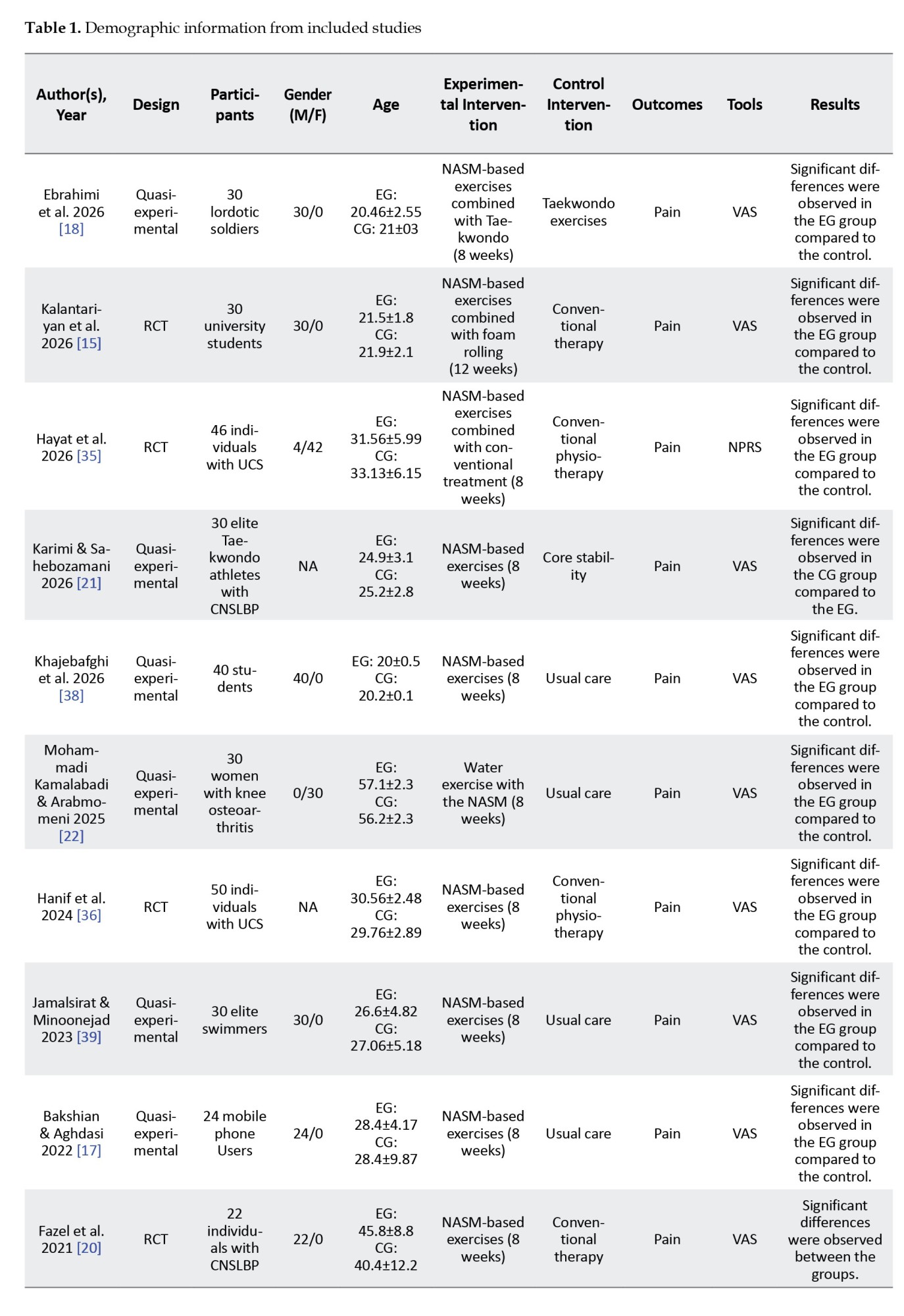
Table 1 summarizes the characteristics of the included studies. A total of 12 studies were included in the systematic review and meta-analysis, comprising both RCTs and quasi-experimental studies. Most investigations were published between 2020 and 2026, reflecting the recent growth in research on NASM-based corrective exercise interventions. Sample sizes ranged from 20 to 50 participants, and the included populations represented a broad spectrum of individuals with MSPS, including UCS [14, 35, 36], chronic non-specific low back pain [20, 21], knee osteoarthritis [22], forward head posture [37], lordosis-related pain [18], as well as athletes and university students experiencing pain associated with movement dysfunctions. Participant ages varied widely across studies, from approximately 20 to 57 years, with both male and female participants represented, although several studies included only one sex or did not report sex distribution. The intervention protocols predominantly consisted of NASM-based corrective exercise programs delivered over 8 weeks, while one study implemented a 12-week intervention [15]. Several studies evaluated NASM corrective exercises as a stand-alone intervention, whereas others combined the NASM corrective exercise continuum with complementary rehabilitation approaches, including conventional physiotherapy, foam rolling [15], water-based exercise [22], and Taekwondo training [18]. Comparator groups included usual care, conventional physiotherapy, conventional exercise therapy, core stability training [21], Taekwondo exercise [18], or no additional intervention, depending on the study design. Pain intensity was the primary outcome assessed across all included studies and was most commonly measured using the visual analog scale (VAS) [15, 17, 18, 20-22, 36, 38, 39], although the numeric pain rating scale (NPRS) [35] and the shoulder pain and disability index (SPADI) [14] were also used in selected studies. Overall, findings consistently favored NASM-based corrective exercise interventions, with most studies reporting statistically significant reductions in pain compared with control interventions.
Data synthesis
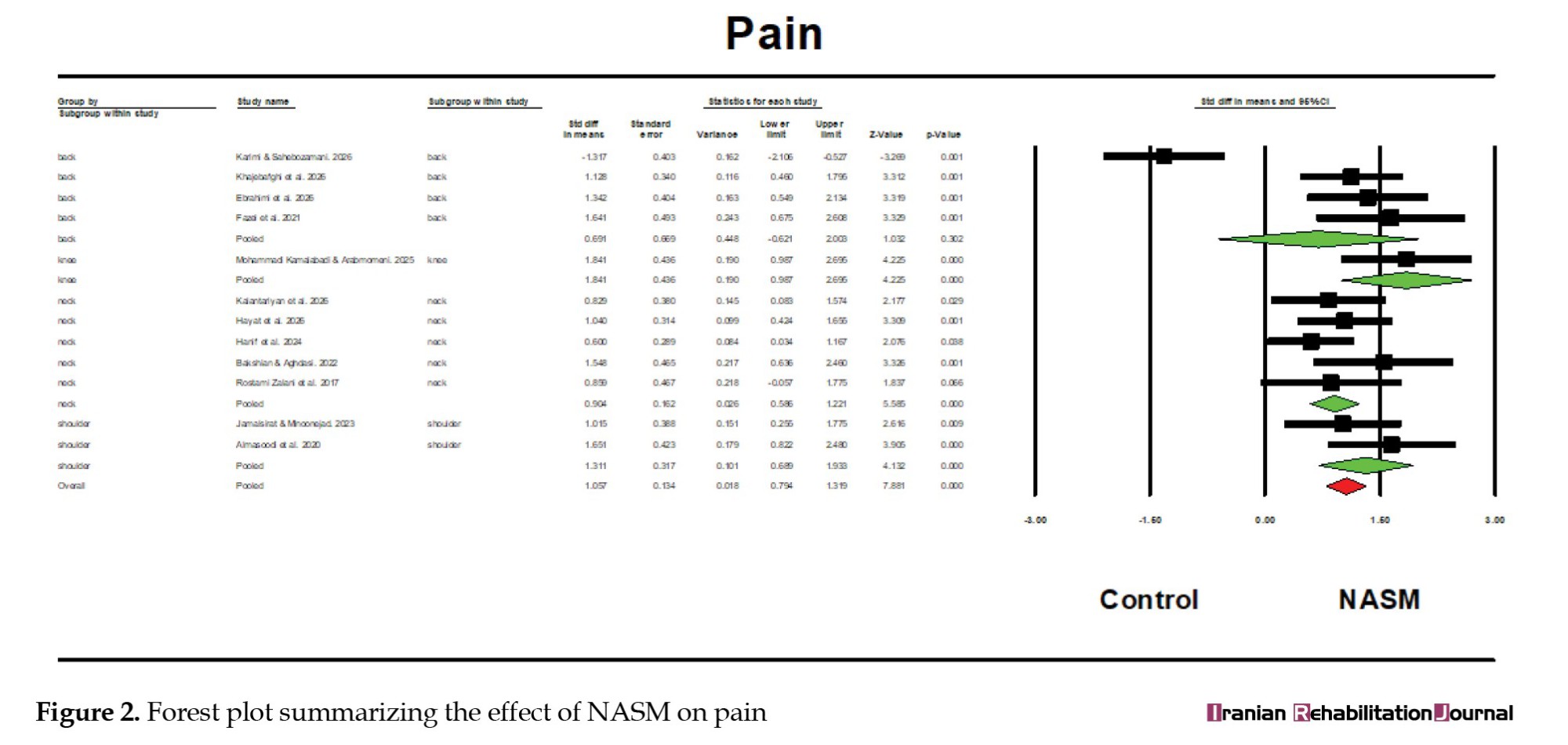
A total of 12 studies (n=382) [14, 15, 17, 18, 20-22, 35-39] involving participants with various MSPS were included in the meta-analysis of pain. The pooled analysis demonstrated a significant difference between the effect of interventions incorporating the NASM corrective exercise continuum and the control group (SMD=1.057, 95% CI, 0.794%, 1.319%, P<0.001), indicating a greater reduction in pain among participants who received interventions incorporating the NASM corrective exercise continuum compared with those in the control groups (Figure 2).
Study characteristics
Table 1 summarizes the characteristics of the included studies. A total of 12 studies were included in the systematic review and meta-analysis, comprising both RCTs and quasi-experimental studies. Most investigations were published between 2020 and 2026, reflecting the recent growth in research on NASM-based corrective exercise interventions. Sample sizes ranged from 20 to 50 participants, and the included populations represented a broad spectrum of individuals with MSPS, including UCS [14, 35, 36], chronic non-specific low back pain [20, 21], knee osteoarthritis [22], forward head posture [37], lordosis-related pain [18], as well as athletes and university students experiencing pain associated with movement dysfunctions. Participant ages varied widely across studies, from approximately 20 to 57 years, with both male and female participants represented, although several studies included only one sex or did not report sex distribution. The intervention protocols predominantly consisted of NASM-based corrective exercise programs delivered over 8 weeks, while one study implemented a 12-week intervention [15]. Several studies evaluated NASM corrective exercises as a stand-alone intervention, whereas others combined the NASM corrective exercise continuum with complementary rehabilitation approaches, including conventional physiotherapy, foam rolling [15], water-based exercise [22], and Taekwondo training [18]. Comparator groups included usual care, conventional physiotherapy, conventional exercise therapy, core stability training [21], Taekwondo exercise [18], or no additional intervention, depending on the study design. Pain intensity was the primary outcome assessed across all included studies and was most commonly measured using the visual analog scale (VAS) [15, 17, 18, 20-22, 36, 38, 39], although the numeric pain rating scale (NPRS) [35] and the shoulder pain and disability index (SPADI) [14] were also used in selected studies. Overall, findings consistently favored NASM-based corrective exercise interventions, with most studies reporting statistically significant reductions in pain compared with control interventions.
Data synthesis
A total of 12 studies (n=382) [14, 15, 17, 18, 20-22, 35-39] involving participants with various MSPS were included in the meta-analysis of pain. The pooled analysis demonstrated a significant difference between the effect of interventions incorporating the NASM corrective exercise continuum and the control group (SMD=1.057, 95% CI, 0.794%, 1.319%, P<0.001), indicating a greater reduction in pain among participants who received interventions incorporating the NASM corrective exercise continuum compared with those in the control groups (Figure 2).
Considerable heterogeneity was observed across the included studies (I²=75%, P<0.001). Therefore, subgroup analyses were performed according to the anatomical location of pain to explore potential sources of heterogeneity. For participants with back pain (4 studies, n=122), the subgroup analysis showed no significant difference between the NASM intervention and control groups (SMD=0.691, 95% CI, −0.621%, 2.003%, P=0.302). In contrast, the neck pain (5 studies, n=170) subgroup demonstrated a significant reduction in pain favoring the interventions incorporating the NASM-corrective exercise continuum (SMD=0.904, 95% CI, 0.586%, 1.221%, P<0.001). Similarly, a significant treatment effect was observed in the shoulder pain (2 studies, n=60) subgroup (SMD=1.311, 95% CI, 0.689%, 1.933%, P<0.001), indicating superior pain reduction following interventions incorporating the NASM corrective exercise continuum compared with the control interventions. The knee-pain category was retained in the subgroup display for completeness; however, because it was represented by only a single study [22], its subgroup estimate is equivalent to that study’s effect estimate and did not provide an independent estimate of between-study heterogeneity. Therefore, interpretation of the anatomical subgroup findings focused on the regions represented by multiple studies. Publication bias was assessed using Egger’s regression test. The results indicated no evidence of significant publication bias for the pain outcome (P=0.42).
Methodological quality assessment
Study quality across the included articles was appraised independently using the JBI critical appraisal tools matched to each study design (Tables 2, and 3).
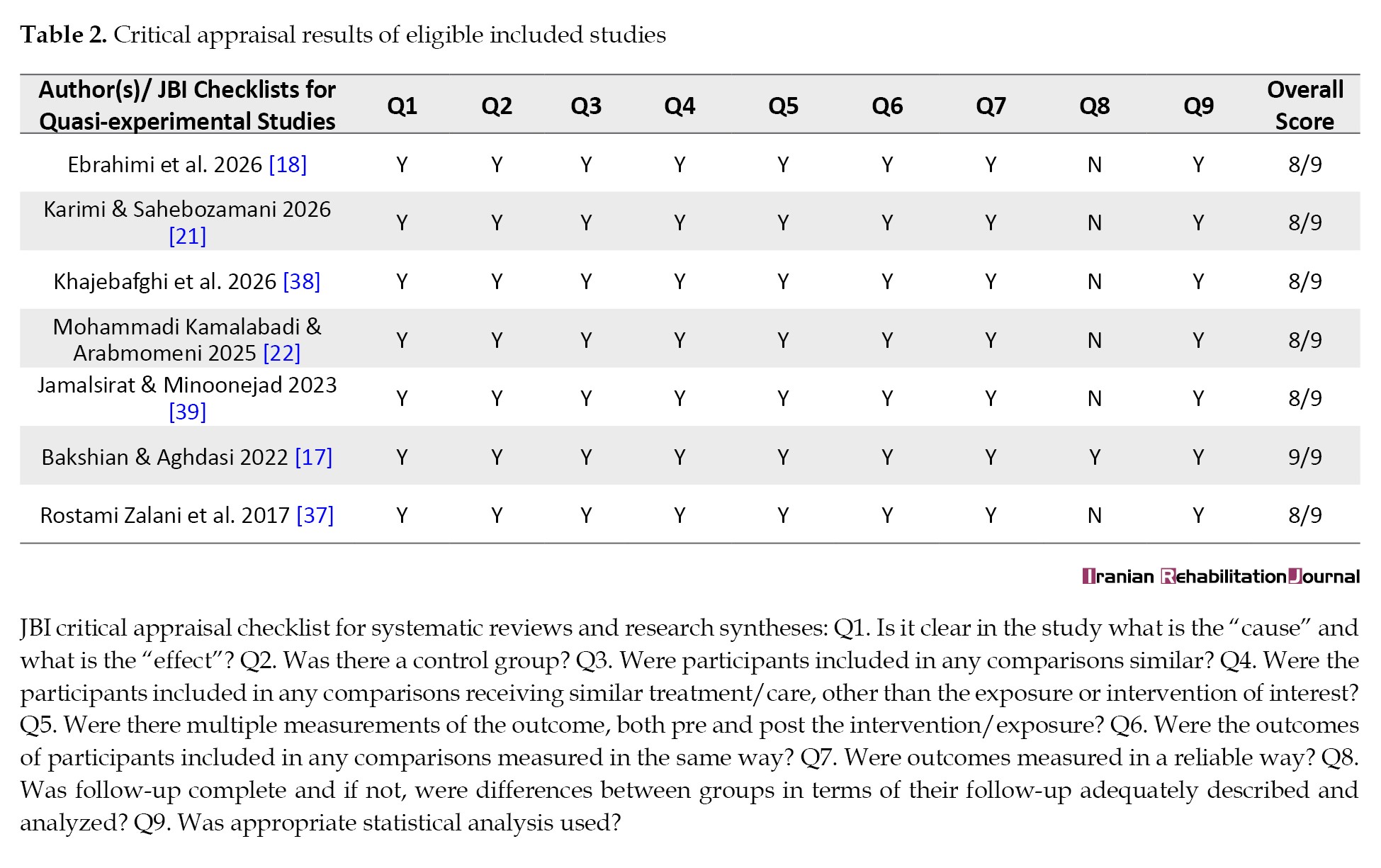
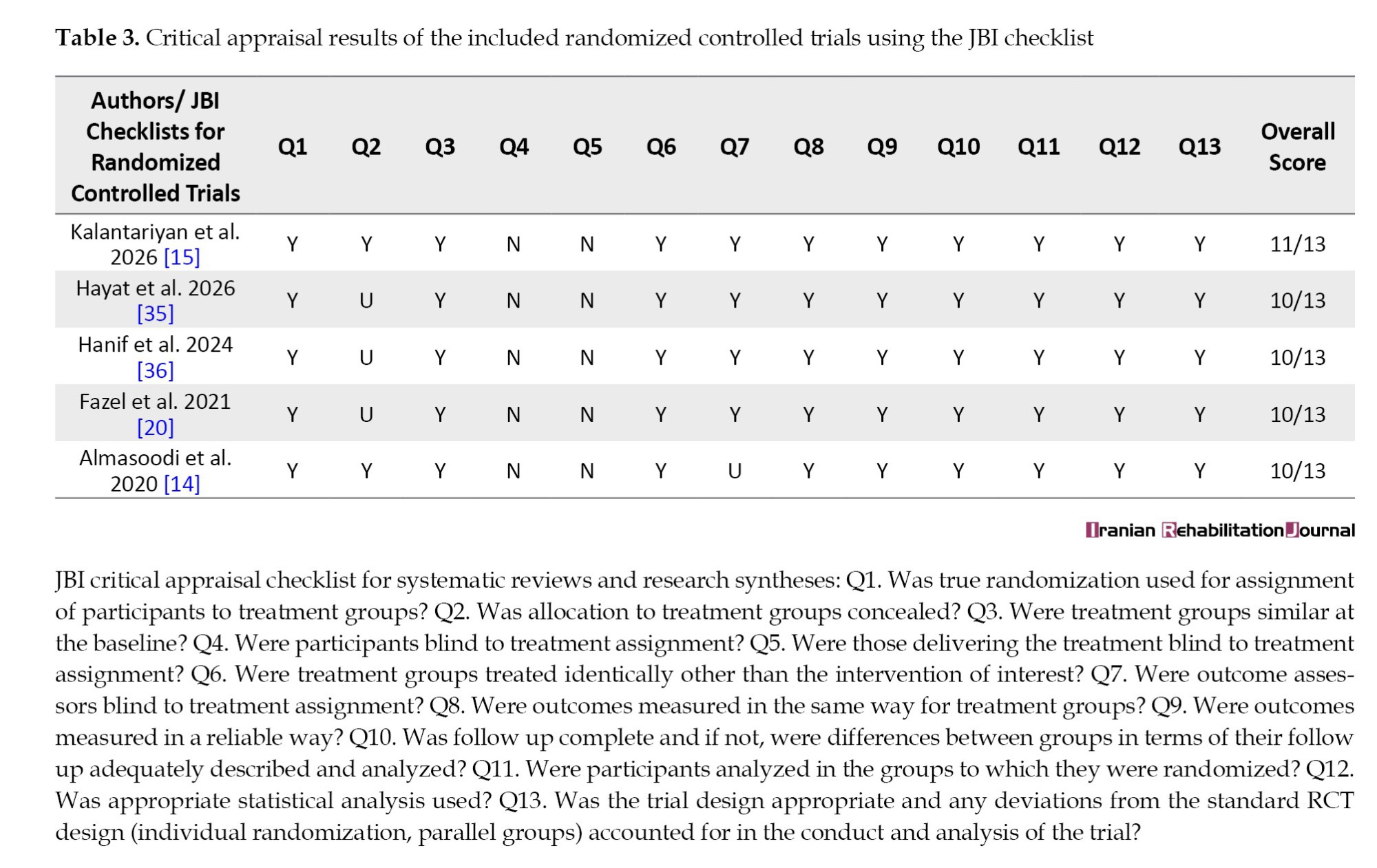
For quasi-experimental studies, the corresponding 9-item JBI checklist was applied, while RCTs were evaluated against the 13-item JBI checklist designed for that study type. Responses to each checklist item were categorized as “Yes,” “No,” “Unclear,” or “Not Applicable,” and the total quality score was calculated by tallying the number of “Yes” responses. Among the seven quasi-experimental studies, methodological quality was consistently high, with overall scores ranging from 8 to 9 out of 9. Six studies scored 8/9, while one study received the maximum score of 9/9 [17]. The most frequently unmet criterion was adequate follow-up (Q8), whereas all studies clearly defined the intervention, included an appropriate comparison group, used reliable outcome measures, and applied appropriate statistical analyses. The five included RCTs demonstrated moderate-to-high methodological quality, with overall scores ranging from 10-11 out of 13. One trial scored 11/13 [15], whereas the remaining four studies scored 10/13. The principal methodological limitations were the lack of participant and intervention-provider blinding, which was consistently observed across all RCTs. In addition, allocation concealment was reported as unclear in three studies, and one study did not clearly report blinding of outcome assessors. Nevertheless, all RCTs employed appropriate randomization procedures, reported comparable baseline characteristics, used reliable and consistent outcome assessment methods, and performed appropriate statistical analyses. Overall, the risk-of-bias assessment indicated that all included studies were of moderate to high methodological quality, with no study classified as low quality. These findings suggest that the available evidence provides a robust methodological basis for the quantitative synthesis and interpretation of the meta-analysis results.
Discussion
This systematic review and meta-analysis synthesized available evidence on interventions incorporating the NASM corrective exercise continuum for individuals with MSPS. Across 12 studies, the pooled analysis demonstrated greater reductions in pain-related outcomes in NASM-based intervention groups than comparator conditions. However, interpreting this overall effect requires caution because the included interventions and comparators were not uniform. NASM was delivered as a stand-alone intervention in some studies, whereas other trials combined NASM with additional components such as Taekwondo training, foam rolling, conventional treatment, or aquatic exercise. Comparator conditions also ranged from usual care to active exercise and rehabilitation interventions. Therefore, the overall pooled estimate should be interpreted as an average effect across different NASM-based intervention strategies and clinical comparison contexts rather than as a homogeneous estimate of the isolated effect of NASM.
The overall findings are consistent with the theoretical rationale underpinning the NASM corrective exercise continuum. Unlike conventional strengthening programs that primarily target muscle performance [14], the NASM model adopts a sequential approach involving inhibition of overactive tissues, restoration of muscle extensibility, activation of underactive muscles, and integration of coordinated functional movement patterns [40]. This progression aims to correct movement dysfunctions and improve neuromuscular control rather than merely increase muscular strength [19]. Since altered movement patterns, impaired motor control, and muscular imbalance contribute to persistent musculoskeletal pain [41], interventions targeting these mechanisms may reduce abnormal mechanical loading and improve movement efficiency [42], thereby decreasing pain during daily activities. The consistent improvements observed across the included studies support the concept that addressing underlying movement impairments may provide clinical benefits in individuals with MSPS.
Although the pooled effect favored interventions incorporating the NASM corrective exercise continuum, subgroup analyses demonstrated that treatment effects differed by anatomical region. Significant benefits were observed for neck and shoulder pain, whereas the subgroup analysis for back pain did not demonstrate a statistically significant advantage over comparator interventions. Several explanations may account for these differences. First, neck- and shoulder-related disorders, such as UCS and forward head posture, are frequently characterized by predictable patterns of muscular imbalance and postural dysfunction [23], making them particularly suitable for interventions designed to restore muscle balance and movement quality. In contrast, chronic low back pain represents a highly heterogeneous condition influenced not only by biomechanical impairments but also by psychosocial factors [43], central pain sensitization, fear-avoidance beliefs, and lifestyle-related contributors [44]. Consequently, corrective exercise alone may not adequately address the multidimensional nature of chronic low back pain, particularly when compared with active interventions such as core stability training or other structured exercise programs. Furthermore, the back pain subgroup contained relatively few studies and exhibited substantial statistical heterogeneity, reducing the precision of the pooled estimate and limiting definitive conclusions. Although the back pain subgroup did not demonstrate a significant pooled advantage for interventions incorporating the NASM corrective exercise continuum, the finding from Karimi and Sahebozamani (2026) warrants particular consideration because the study reported a significant between-group advantage favoring core stability exercise over the NASM intervention in taekwondo athletes [21]. This finding indicates that the absence of a significant pooled effect in the back pain subgroup was not simply attributable to a lack of differences between interventions; rather, at least one study demonstrated a clinically meaningful advantage for an alternative active exercise approach. A core stability program may therefore have provided a more direct stimulus to the trunk musculature and neuromuscular control strategies relevant to the functional demands of the Taekwondo population. Also, the superiority of core stability in this individual study should be interpreted within its specific population and intervention context rather than generalized to all individuals with low back pain. The considerable heterogeneity observed across studies (I²=75%) deserves careful consideration. The included trials varied substantially in participant characteristics, underlying musculoskeletal conditions, intervention duration, exercise intensity, supervision methods, comparator interventions, and outcome assessment tools. Some studies evaluated NASM corrective exercise as a stand-alone intervention [20, 21, 38], whereas others combined it with complementary modalities including aquatic exercise [22], foam rolling [15], or sport-specific training [18]. Such diversity inevitably contributes to variability in treatment effects and suggests that the pooled estimate should be interpreted as an average effect across multiple clinical contexts rather than as a precise estimate applicable to every patient population. From a clinical perspective, this variability may also limit direct translation into practice because the available evidence does not establish a single optimal NASM protocol, dose, or mode of delivery. Additionally, exercise therapy is well established as an effective intervention for many musculoskeletal pain conditions [45]; therefore, demonstrating superiority over another active exercise program is considerably more challenging than demonstrating superiority over minimal intervention or usual care. Consequently, the current meta-analysis suggests that interventions incorporating the NASM corrective exercise continuum should be viewed as one effective rehabilitation framework within the broader spectrum of exercise-based management rather than as a universally superior intervention.
From a clinical perspective, these results have several important implications. Given the increasing emphasis on non-pharmacological management of musculoskeletal pain, interventions incorporating the NASM-corrective exercise continuum may provide clinicians with a structured and clinically applicable framework for rehabilitation. The four-stage continuum offers a systematic method for identifying and addressing movement dysfunctions while progressing patients toward functional integration. Physical therapists, sports rehabilitation specialists, exercise physiologists, and other healthcare professionals may therefore consider incorporating NASM principles into individualized rehabilitation programs, particularly for patients presenting with posture-related disorders, neck pain, shoulder dysfunction, or movement impairments. Nevertheless, patient assessment remains essential, as not all musculoskeletal conditions respond equally to this approach. For individuals with chronic low back pain or more complex pain presentations, corrective exercise may be most effective when integrated within a comprehensive biopsychosocial rehabilitation program that also addresses education, behavioral factors, functional training, and psychological contributors to pain.
This review has several limitations. First, the number of eligible studies remains relatively small despite the growing interest in interventions incorporating the NASM corrective exercise continuum, particularly within specific musculoskeletal conditions. Second, studies showed considerable clinical and methodological heterogeneity, including differences in intervention protocols, comparator treatments, participant characteristics, and outcome measures. Although a random-effects model and subgroup analyses were used to account for this variability, residual heterogeneity remained substantial. Third, most interventions were limited to approximately eight weeks, with very few studies evaluating long-term follow-up, making it difficult to determine whether pain reductions are maintained over time. Fourth, most studies assessed pain using subjective, self-reported instruments such as the VAS or NPRS, while relatively few simultaneously evaluated objective biomechanical, neuromuscular, or functional outcomes that could help explain the mechanisms underlying clinical improvement. Also, blinding of participants and therapists was generally not feasible because of the nature of exercise interventions, introducing an inherent risk of performance bias despite otherwise acceptable methodological quality. An additional limitation concerns the clinical and demographic diversity of the included populations. The review encompassed participants with different musculoskeletal conditions and movement-related pain presentations, ranging from young university students, soldiers, and athletes to middle-aged individuals with chronic low back pain or knee osteoarthritis. These populations differ in age, underlying pathology, symptom characteristics, physical activity level, and potential mechanisms contributing to pain. Although all eligible studies involved MSPS and evaluated interventions incorporating the NASM corrective exercise continuum, this broad clinical spectrum limits the extent to which the overall pooled effect can be generalized to any specific musculoskeletal condition or patient population. The anatomical subgroup analyses partially addressed this issue by examining pain according to body region; however, the number of studies within individual clinical categories remained limited. Therefore, the overall pooled estimate should be interpreted as an average effect across diverse clinical contexts rather than as evidence that NASM-based interventions have a uniform effect across all musculoskeletal pain conditions. Finally, only English-language peer-reviewed publications were included, raising the possibility of language and publication bias, although Egger’s regression test did not indicate significant small-study effects.
Conclusion
Overall, this systematic review and meta-analysis indicate that interventions incorporating the NASM corrective exercise continuum is associated with significant reductions in pain among individuals with MSPS, particularly in conditions affecting the neck and shoulder. Given the moderate-to-high methodological quality of the available evidence, interventions incorporating the NASM corrective exercise continuum can be considered a valuable component of contemporary musculoskeletal rehabilitation.
Ethical Considerations
Compliance with ethical guidelines
There were no ethical considerations to be considered in this research.
Funding
This research did not receive any grant from funding agencies in the public, commercial, or non-profit sectors.
Authors' contributions
Study design and data collection: Rahman Sheikhhoseini, Parsa Samaei, and Mojtaba Khosravi; Writing Ebrahim Ebrahimi and Parsa Samaei; Final approval: All authors.
Conflict of interest
The authors declared no conflict of interest.
Methodological quality assessment
Study quality across the included articles was appraised independently using the JBI critical appraisal tools matched to each study design (Tables 2, and 3).
For quasi-experimental studies, the corresponding 9-item JBI checklist was applied, while RCTs were evaluated against the 13-item JBI checklist designed for that study type. Responses to each checklist item were categorized as “Yes,” “No,” “Unclear,” or “Not Applicable,” and the total quality score was calculated by tallying the number of “Yes” responses. Among the seven quasi-experimental studies, methodological quality was consistently high, with overall scores ranging from 8 to 9 out of 9. Six studies scored 8/9, while one study received the maximum score of 9/9 [17]. The most frequently unmet criterion was adequate follow-up (Q8), whereas all studies clearly defined the intervention, included an appropriate comparison group, used reliable outcome measures, and applied appropriate statistical analyses. The five included RCTs demonstrated moderate-to-high methodological quality, with overall scores ranging from 10-11 out of 13. One trial scored 11/13 [15], whereas the remaining four studies scored 10/13. The principal methodological limitations were the lack of participant and intervention-provider blinding, which was consistently observed across all RCTs. In addition, allocation concealment was reported as unclear in three studies, and one study did not clearly report blinding of outcome assessors. Nevertheless, all RCTs employed appropriate randomization procedures, reported comparable baseline characteristics, used reliable and consistent outcome assessment methods, and performed appropriate statistical analyses. Overall, the risk-of-bias assessment indicated that all included studies were of moderate to high methodological quality, with no study classified as low quality. These findings suggest that the available evidence provides a robust methodological basis for the quantitative synthesis and interpretation of the meta-analysis results.
Discussion
This systematic review and meta-analysis synthesized available evidence on interventions incorporating the NASM corrective exercise continuum for individuals with MSPS. Across 12 studies, the pooled analysis demonstrated greater reductions in pain-related outcomes in NASM-based intervention groups than comparator conditions. However, interpreting this overall effect requires caution because the included interventions and comparators were not uniform. NASM was delivered as a stand-alone intervention in some studies, whereas other trials combined NASM with additional components such as Taekwondo training, foam rolling, conventional treatment, or aquatic exercise. Comparator conditions also ranged from usual care to active exercise and rehabilitation interventions. Therefore, the overall pooled estimate should be interpreted as an average effect across different NASM-based intervention strategies and clinical comparison contexts rather than as a homogeneous estimate of the isolated effect of NASM.
The overall findings are consistent with the theoretical rationale underpinning the NASM corrective exercise continuum. Unlike conventional strengthening programs that primarily target muscle performance [14], the NASM model adopts a sequential approach involving inhibition of overactive tissues, restoration of muscle extensibility, activation of underactive muscles, and integration of coordinated functional movement patterns [40]. This progression aims to correct movement dysfunctions and improve neuromuscular control rather than merely increase muscular strength [19]. Since altered movement patterns, impaired motor control, and muscular imbalance contribute to persistent musculoskeletal pain [41], interventions targeting these mechanisms may reduce abnormal mechanical loading and improve movement efficiency [42], thereby decreasing pain during daily activities. The consistent improvements observed across the included studies support the concept that addressing underlying movement impairments may provide clinical benefits in individuals with MSPS.
Although the pooled effect favored interventions incorporating the NASM corrective exercise continuum, subgroup analyses demonstrated that treatment effects differed by anatomical region. Significant benefits were observed for neck and shoulder pain, whereas the subgroup analysis for back pain did not demonstrate a statistically significant advantage over comparator interventions. Several explanations may account for these differences. First, neck- and shoulder-related disorders, such as UCS and forward head posture, are frequently characterized by predictable patterns of muscular imbalance and postural dysfunction [23], making them particularly suitable for interventions designed to restore muscle balance and movement quality. In contrast, chronic low back pain represents a highly heterogeneous condition influenced not only by biomechanical impairments but also by psychosocial factors [43], central pain sensitization, fear-avoidance beliefs, and lifestyle-related contributors [44]. Consequently, corrective exercise alone may not adequately address the multidimensional nature of chronic low back pain, particularly when compared with active interventions such as core stability training or other structured exercise programs. Furthermore, the back pain subgroup contained relatively few studies and exhibited substantial statistical heterogeneity, reducing the precision of the pooled estimate and limiting definitive conclusions. Although the back pain subgroup did not demonstrate a significant pooled advantage for interventions incorporating the NASM corrective exercise continuum, the finding from Karimi and Sahebozamani (2026) warrants particular consideration because the study reported a significant between-group advantage favoring core stability exercise over the NASM intervention in taekwondo athletes [21]. This finding indicates that the absence of a significant pooled effect in the back pain subgroup was not simply attributable to a lack of differences between interventions; rather, at least one study demonstrated a clinically meaningful advantage for an alternative active exercise approach. A core stability program may therefore have provided a more direct stimulus to the trunk musculature and neuromuscular control strategies relevant to the functional demands of the Taekwondo population. Also, the superiority of core stability in this individual study should be interpreted within its specific population and intervention context rather than generalized to all individuals with low back pain. The considerable heterogeneity observed across studies (I²=75%) deserves careful consideration. The included trials varied substantially in participant characteristics, underlying musculoskeletal conditions, intervention duration, exercise intensity, supervision methods, comparator interventions, and outcome assessment tools. Some studies evaluated NASM corrective exercise as a stand-alone intervention [20, 21, 38], whereas others combined it with complementary modalities including aquatic exercise [22], foam rolling [15], or sport-specific training [18]. Such diversity inevitably contributes to variability in treatment effects and suggests that the pooled estimate should be interpreted as an average effect across multiple clinical contexts rather than as a precise estimate applicable to every patient population. From a clinical perspective, this variability may also limit direct translation into practice because the available evidence does not establish a single optimal NASM protocol, dose, or mode of delivery. Additionally, exercise therapy is well established as an effective intervention for many musculoskeletal pain conditions [45]; therefore, demonstrating superiority over another active exercise program is considerably more challenging than demonstrating superiority over minimal intervention or usual care. Consequently, the current meta-analysis suggests that interventions incorporating the NASM corrective exercise continuum should be viewed as one effective rehabilitation framework within the broader spectrum of exercise-based management rather than as a universally superior intervention.
From a clinical perspective, these results have several important implications. Given the increasing emphasis on non-pharmacological management of musculoskeletal pain, interventions incorporating the NASM-corrective exercise continuum may provide clinicians with a structured and clinically applicable framework for rehabilitation. The four-stage continuum offers a systematic method for identifying and addressing movement dysfunctions while progressing patients toward functional integration. Physical therapists, sports rehabilitation specialists, exercise physiologists, and other healthcare professionals may therefore consider incorporating NASM principles into individualized rehabilitation programs, particularly for patients presenting with posture-related disorders, neck pain, shoulder dysfunction, or movement impairments. Nevertheless, patient assessment remains essential, as not all musculoskeletal conditions respond equally to this approach. For individuals with chronic low back pain or more complex pain presentations, corrective exercise may be most effective when integrated within a comprehensive biopsychosocial rehabilitation program that also addresses education, behavioral factors, functional training, and psychological contributors to pain.
This review has several limitations. First, the number of eligible studies remains relatively small despite the growing interest in interventions incorporating the NASM corrective exercise continuum, particularly within specific musculoskeletal conditions. Second, studies showed considerable clinical and methodological heterogeneity, including differences in intervention protocols, comparator treatments, participant characteristics, and outcome measures. Although a random-effects model and subgroup analyses were used to account for this variability, residual heterogeneity remained substantial. Third, most interventions were limited to approximately eight weeks, with very few studies evaluating long-term follow-up, making it difficult to determine whether pain reductions are maintained over time. Fourth, most studies assessed pain using subjective, self-reported instruments such as the VAS or NPRS, while relatively few simultaneously evaluated objective biomechanical, neuromuscular, or functional outcomes that could help explain the mechanisms underlying clinical improvement. Also, blinding of participants and therapists was generally not feasible because of the nature of exercise interventions, introducing an inherent risk of performance bias despite otherwise acceptable methodological quality. An additional limitation concerns the clinical and demographic diversity of the included populations. The review encompassed participants with different musculoskeletal conditions and movement-related pain presentations, ranging from young university students, soldiers, and athletes to middle-aged individuals with chronic low back pain or knee osteoarthritis. These populations differ in age, underlying pathology, symptom characteristics, physical activity level, and potential mechanisms contributing to pain. Although all eligible studies involved MSPS and evaluated interventions incorporating the NASM corrective exercise continuum, this broad clinical spectrum limits the extent to which the overall pooled effect can be generalized to any specific musculoskeletal condition or patient population. The anatomical subgroup analyses partially addressed this issue by examining pain according to body region; however, the number of studies within individual clinical categories remained limited. Therefore, the overall pooled estimate should be interpreted as an average effect across diverse clinical contexts rather than as evidence that NASM-based interventions have a uniform effect across all musculoskeletal pain conditions. Finally, only English-language peer-reviewed publications were included, raising the possibility of language and publication bias, although Egger’s regression test did not indicate significant small-study effects.
Conclusion
Overall, this systematic review and meta-analysis indicate that interventions incorporating the NASM corrective exercise continuum is associated with significant reductions in pain among individuals with MSPS, particularly in conditions affecting the neck and shoulder. Given the moderate-to-high methodological quality of the available evidence, interventions incorporating the NASM corrective exercise continuum can be considered a valuable component of contemporary musculoskeletal rehabilitation.
Ethical Considerations
Compliance with ethical guidelines
There were no ethical considerations to be considered in this research.
Funding
This research did not receive any grant from funding agencies in the public, commercial, or non-profit sectors.
Authors' contributions
Study design and data collection: Rahman Sheikhhoseini, Parsa Samaei, and Mojtaba Khosravi; Writing Ebrahim Ebrahimi and Parsa Samaei; Final approval: All authors.
Conflict of interest
The authors declared no conflict of interest.
References
- Liu M, Rong J, An X, Li Y, Min Y, Yuan G, et al. Global, regional, and national burden of musculoskeletal disorders, 1990–2021: An analysis of the global burden of disease study 2021 and forecast to 2035. Frontiers in Public Health. 2025; 13:1562701. [DOI:10.3389/fpubh.2025.1562701] [PMID] [PMCID]
- Cieza A, Causey K, Kamenov K, Hanson SW, Chatterji S, Vos T. Global estimates of the need for rehabilitation based on the global burden of disease study 2019: A systematic analysis for the global burden of disease study 2019. The Lancet. 2020; 396(10267):2006-17. [DOI:10.1016/S0140-6736(20)32340-0] [PMID]
- Kirsch Micheletti J, Bláfoss R, Sundstrup E, Bay H, Pastre CM, Andersen LL. Association between lifestyle and musculoskeletal pain: Cross-sectional study among 10,000 adults from the general working population. BMC Musculoskeletal Disorders. 2019; 20(1):609. [DOI:10.1186/s12891-019-3002-5] [PMID] [PMCID]
- Global Burden of Disease Study 2013 Collaborators. Global, regional, and national incidence, prevalence, and years lived with disability for 301 acute and chronic diseases and injuries in 188 countries, 1990-2013: A systematic analysis for the Global Burden of Disease Study 2013. The Lancet. 2015; 386(9995):743-800. [DOI:10.1016/S0140-6736(15)60692-4] [PMID]
- Sremakaew M, Treleaven J, Jull G, Vongvaivanichakul P, Uthaikhup S. Altered neuromuscular activity and postural stability during standing balance tasks in persons with non-specific neck pain. Journal of Electromyography and Kinesiology. 2021; 61:102608. [DOI:10.1016/j.jelekin.2021.102608] [PMID] [PMCID]
- Khaliliyan H, Bahramizadeh M, Faghih Jouibari M, Ansari M, Batra K, Ghaffari F, et al. Effects of ergonomic chairs on workplace musculoskeletal health: A systematic review. Physical Treatments-Specific Physical Therapy Journal. 2026; 16(2):133-50. [DOI:10.32598/ptj.2026.189.1]
- Bounds CL, Coppieters MW, Thomson HW, Larsen B, Evans K. Efficacy of conservative interventions for musculoskeletal conditions on pain and disability in active serving military personnel—A systematic review. Military Medicine. 2024; 189(1-2):e66-75. [DOI:10.1093/milmed/usac409] [PMID] [PMCID]
- Behringer C, Nagib N, Nagib N. Introduction to multimodal musculoskeletal treatment models: A viewpoint. Discover Applied Sciences. 2025; 7(8):820. [DOI:10.1007/s42452-025-07480-6]
- Viderman D, Kalikanov S, Myrkhiyeva Z, Alisherov S, Dossov M, Seitenov S, et al. Impact of exercise therapy on outcomes in patients with low back pain: An umbrella review of systematic reviews. Journal of Clinical Medicine. 2025; 14(17):5942. [DOI:10.3390/jcm14175942] [PMID] [PMCID]
- Ebrahimi E, Mozafari S, Zolghadr H. Investigating the effects of corrective games on the improvement of musculoskeletal abnormalities: A systematic review. Journal of Guilan University of Medical Sciences. 2025; 34(2):104-19. [DOI:10.32598/JGUMS.34.2.2294.1]
- Ebrahimi E, Nourbakhsh SA, Sheikhhoseini R, Piri H, Mendez-Rebolledo G, Mozafari S. The effect of therapeutic exercises in individuals with joint hypermobility syndrome: A systematic review and meta-analysis. Egyptian Rheumatology and Rehabilitation. 2026; 53(1):38. [DOI:10.1186/s43166-026-00407-y]
- Sheikhhoseini R, Shahrbanian S, Sayyadi P, O’Sullivan K. Effectiveness of therapeutic exercise on forward head posture: A systematic review and meta-analysis. Journal of manipulative and physiological therapeutics. 2018; 41(6):530-9. [DOI:10.1016/j.jmpt.2018.02.002] [PMID]
- Clark M, Lucett S, editors. NASM essentials of corrective exercise training. Philadelphia: Lippincott Williams & Wilkins; 2010. [Link]
- Almasoodi MCI, Mahdavinejad R, Ghasmi G. The effect of 8 weeks national academy of sports medicine exercises training on posture, shoulder pain, and functional disability in male with upper cross syndrome. Psychology and Education. 2021; 58(2):6741-52. [Link]
- Kalantariyan M, Sadeghi M, Samadi H. Manual massage versus foam rolling within the NASM corrective framework: a trial for upper crossed syndrome rehabilitation in university students. Scientific Reports. 2026; 16(1):5471. [DOI:10.1038/s41598-026-35030-6] [PMID] [PMCID]
- Sheikhhoseini R, Ebrahimi E, Eslami R, Piri H. Validation of artificial intelligence-prescribed exercise programs for improving upper crossed syndrome and dynamic knee valgus. Journal of Clinical Research in Paramedical Sciences. 2025; 14(2):e164713. [DOI:10.5812/jcrps-164713]
- Bakshian S, Aghdasi MT. Comparison of the effect and sustainability of 8 weeks of corrective exercises based on the NASM approach and the sahrman approach on forward head posture and neck pain in mobile phone users in young men of Tabriz. Journal of Sport Biomechanics. 2022; 8(2):168-84.[DOI:10.52547/JSportBiomech.8.2.168]
- Ebrahimi E, Tabatabaee SM, Dadarkhah A, Najafi S. NASM-based core stability training using taekwondo movements in male individuals with hyperlordosis. Physical Treatments-Specific Physical Therapy Journal. 2026; 16(1):73-82. [DOI:10.32598/ptj.16.1.660.1]
- Ghaffari S, Hosseini SM, Gheitasi M. The effect of NASM-based corrective exercises on lumbar lordosis angle and selected muscle activity in women with lower cross syndrome: A randomized clinical trial. Plos One. 2026; 21(3):e0337804. [DOI:10.1371/journal.pone.0337804] [PMID] [PMCID]
- Fazel F, Zolaktaf V, Nezhadian SL. The effect of exercise programs on pain management and motor control in patients with nonspecific chronic low back pain: A randomized matched subjects trial. International Journal of Preventive Medicine. 2021; 12(1):164. [DOI:10.4103/ijpvm.IJPVM_423_20] [PMID] [PMCID]
- Karimi S, Sahebozamani M. Online-supervised corrective and core stability exercises in taekwondo athletes with low back pain. Physical Treatments-Specific Physical Therapy Journal. 2026; 16(2):173-80. [DOI:10.32598/ptj.2026.686.1]
- Mohammadi Kamalabadi Z, Arabmomeni A. The effect of two methods of training in water (traband dnd nasm training) on pain and motor function in women with knee osteoarthritis. Journal of Arak University of Medical Sciences. 2025; 27(6):344-52. [DOI:10.61186/jams.27.6.344]
- Sepehri S, Sheikhhoseini R, Piri H, Sayyadi P. The effect of various therapeutic exercises on forward head posture, rounded shoulder, and hyperkyphosis among people with upper crossed syndrome: A systematic review and meta-analysis. BMC Musculoskeletal Disorders. 2024; 25(1):105. [DOI:10.1186/s12891-024-07224-4] [PMID] [PMCID]
- Chaudhuri S, Chawla JK, Phadke V. Physiotherapeutic interventions for upper cross syndrome: A systematic review and meta-analysis. Cureus. 2023; 15(9):1-15. [DOI:10.7759/cureus.45471]
- Chang MC, Choo YJ, Hong K, Boudier-Reveret M, Yang S. Treatment of upper crossed syndrome: A narrative systematic review. Healthcare 2023; 11(16)2328. [DOI:10.3390/healthcare11162328] [PMID] [PMCID]
- Deegan O, Fullen BM, Segurado R, Doody C. The effectiveness of a combined exercise and psychological treatment programme on measures of nervous system sensitisation in adults with chronic musculoskeletal pain-A systematic review and meta-analysis. BMC Musculoskeletal Disorders. 2024; 25(1):140. [DOI:10.1186/s12891-024-07274-8] [PMID] [PMCID]
- Mo L, Jiang B, Mei T, Zhou D. Exercise therapy for knee osteoarthritis: A systematic review and network meta-analysis. Orthopaedic Journal of Sports Medicine. 2023; 11(5):23259671231172773. [DOI:10.1177/23259671231172773] [PMID]
- Parums DV. Review articles, systematic reviews, meta-analysis, and the updated preferred reporting items for systematic reviews and meta-analyses (PRISMA) 2020 guidelines. Medical Science Monitor. 2021; 27:e934475-1. [DOI:10.12659/MSM.934475]
- Amir-Behghadami M, Janati A. Population, intervention, comparison, outcomes and study (PICOS) design as a framework to formulate eligibility criteria in systematic reviews. Emergency Medicine Journal. 2020; 37(6):387. [DOI:10.1136/emermed-2020-209567] [PMID]
- Page MJ, McKenzie JE, Bossuyt PM, Boutron I, Hoffmann TC, Mulrow CD, et al. The PRISMA, et al. Statement: An updated guideline for reporting systematic reviews. BMJ. 2020; 2021(372):71. [DOI:10.1136/bmj.n71] [PMID]
- Crommert ME, Ekblom MM, Thorstensson A. Activation of transversus abdominis varies with postural demand in standing. Gait & Posture. 2011; 33(3):473-7. [DOI:10.1016/j.gaitpost.2010.12.028] [PMID]
- Ebrahimi E, Sheikhhoseini R, Kozinc Ž, Nourbakhsh SA. The effect of gamification-based exercises on foot posture in children and adolescents with flatfoot: A systematic review and meta-analysis. Journal of Orthopaedic Surgery. 2025; 33(3):10225536251394468. [DOI:10.1177/10225536251394468] [PMID]
- Nourbakhsh SA, Sheikhhoseini R, Piri H, Soltani F, Ebrahimi E. Spatiotemporal and kinematic gait changes in flexible flatfoot: A systematic review and meta-analysis. Journal of Orthopaedic Surgery and Research. 2025; 20(1):223. [DOI:10.1186/s13018-025-05649-8] [PMID] [PMCID]
- Ebrahimi E, Soltani F, Nourbakhsh SA, Masoumi F, Bahiraei S, Khosravi M. The effect of core stability exercises on agility performance in young athletes: A systematic review and meta-analysis. Physical Treatments-Specific Physical Therapy Journal [Unpublished]. [DOI:10.32598/ptj.2026.660.2]
- Hayat R, Riaz S, Fatima I, Salik S. Comparative effects of global postural re-education and NASM-based corrective exercises in patients with upper cross syndrome. The Healer Journal of Physiotherapy and Rehabilitation Sciences. 2026; 6(2):237-47. [DOI:10.55735/1ddc8g43]
- Hanif A, Ahmad A, Arslan SAU, Asghar M, Zaheer A, Shafiq H. Effects of muscle energy techniques versus corrective exercise programme on pain, range of motion and function in patients with upper cross syndrome: A randomised clinical trial. Physiotherapy Quarterly. 2024; 32(2):76-83. [DOI:10.5114/pq/162395]
- Rostami Zalani F, Ashraf M, Ghasemi G. Compare the effectiveness of traditional training methods and national academic sport medicine (NASM) on the neck and head angle reform forward in University Students male. Journal of Paramedical Sciences & Rehabilitation. 2017; 6(4):22-30. [DOI:10.22038/jpsr.2017.18379.1468]
- Khajebafghi M, Sharifi A, Ghasemi G, Bastami H, Karimi A. Effects of eight weeks of NASM exercises on functional tests, pain, and quality of life in khatam al anbia university students. Journal of Rehabilitation Sciences & Research. 2026; 13(1):38-44. [DOI:10.30476/jrsr.2024.103608.1509]
- Jamalsirat J, Minoonejad H. Investigating the effect of an 8-week corrective exercise program based on the principles of the national academy of sports medicine (NASM) on physical condition, pain, and proprioception in male swimmers with shoulder impingement syndrome. Middle Eastern Journal of Disability Studies. 2023; 13:177. [Link]
- Cheatham SW, Baker RT, Kolber MJ, Sutton BG. NASM: Corrective exercise: An evidence-based review. Burlington: National Academy of Sports Medicine; 2026. [Link]
- Akkuş C, Demirel A. The impact of chronic low back pain and motor control impairment on athletic performance in elite soccer players: A cross-sectional study. BMC Musculoskeletal Disorders. 2025; 26(1):781. [DOI:10.1186/s12891-025-09023-x] [PMID] [PMCID]
- Jafarnezhadgero A, Hamlabadi MP, Fakhri Mirzanag E, Orouji A, Letafatkar A. Impact of movement pattern training on muscular co-contraction in patients with low back pain during walking. Physical Treatments-Specific Physical Therapy. 2025; 15(2):111-8. [DOI:10.32598/ptj.15.2.348.13]
- Sonjon Y, Gonthier A, Lépingle C, Van der Henst JB, Reilly KT, Chabanat E. Social factors contributing to the development of chronic low back pain: A scoping review. BMC Musculoskeletal Disorders. 2025; 26(1):999. [DOI:10.1186/s12891-025-09216-4] [PMID] [PMCID]
- Nicol V, Verdaguer C, Daste C, Bisseriex H, Lapeyre É, Lefèvre-Colau MM, et al. Chronic low back pain: a narrative review of recent international guidelines for diagnosis and conservative treatment. Journal of Clinical Medicine. 2023; 12(4):1685. [DOI:10.3390/jcm12041685] [PMID] [PMCID]
- Mohammadalinezhad SE, Malekabadi PJ, Hosseini SN, Ebrahimi E. The effect of therapeutic exercises in children and adolescents with pronation distortion syndrome: A systematic review. Journal of Advances in Para-Sport Science. 2026; e734547. [Link]
Article type: Reviews |
Subject:
Sport medicine
Received: 2026/07/12 | Accepted: 2026/09/2 | Published: 2026/09/26
Received: 2026/07/12 | Accepted: 2026/09/2 | Published: 2026/09/26
Send email to the article author

Copyright © The Author(s);
This is an open access article distributed under the terms of the Creative Commons Attribution-NonCommercial 4.0 (CC-By-NC 4.0), which permits use, distribution, and reproduction in any medium, provided the original work is properly cited and is not used for commercial purposes.
Contact Information
